What I Did in 2025

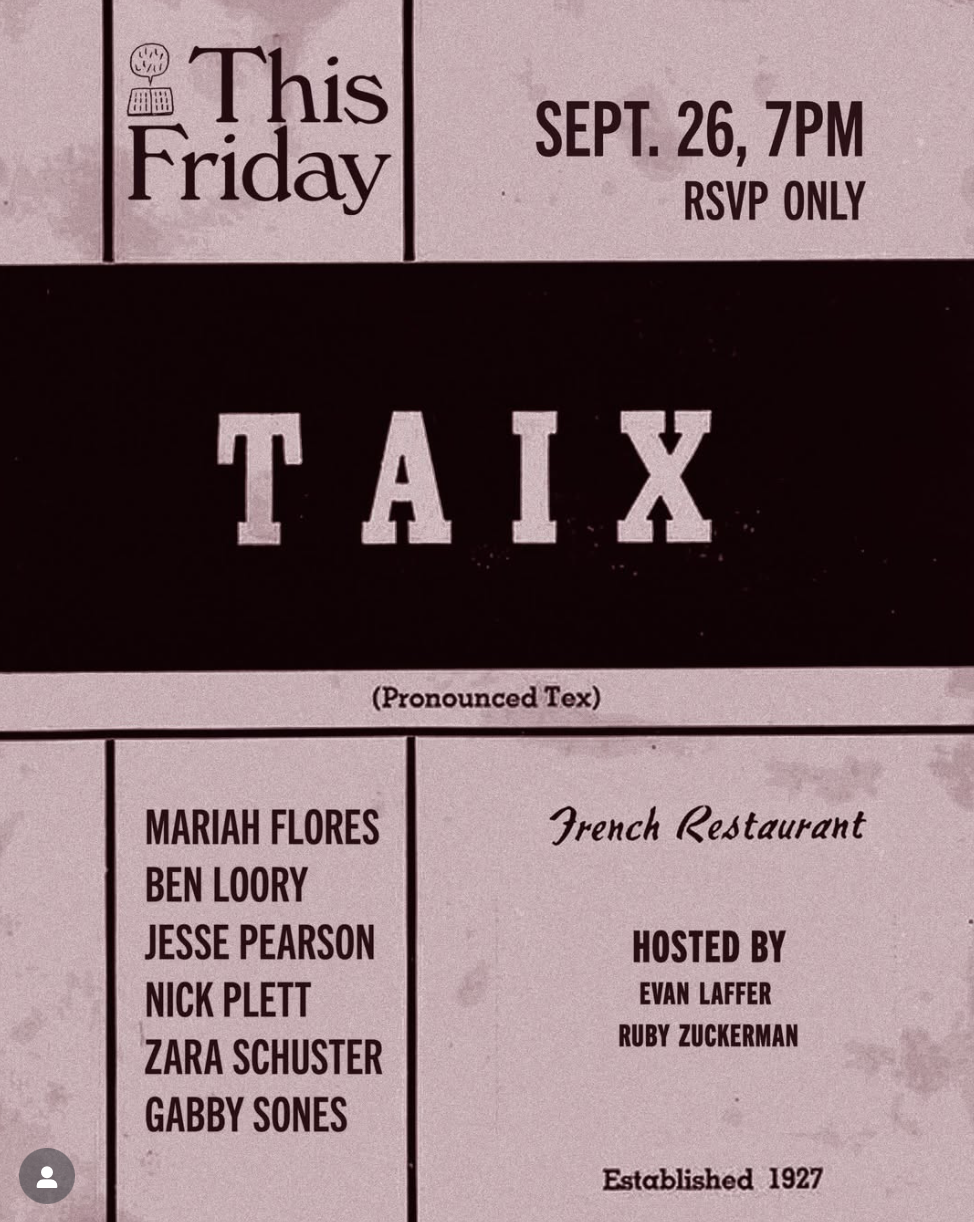
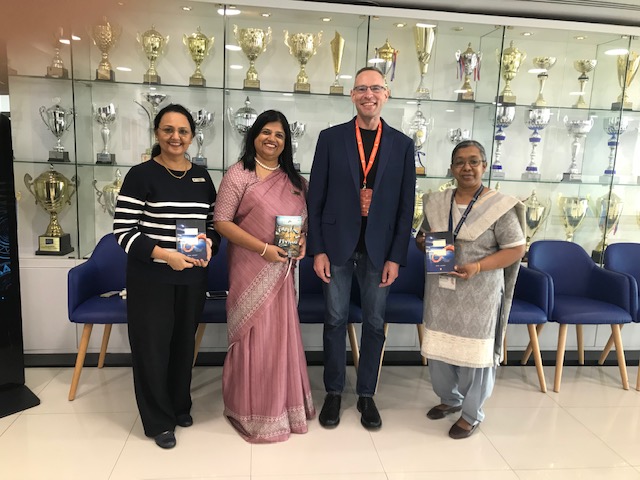
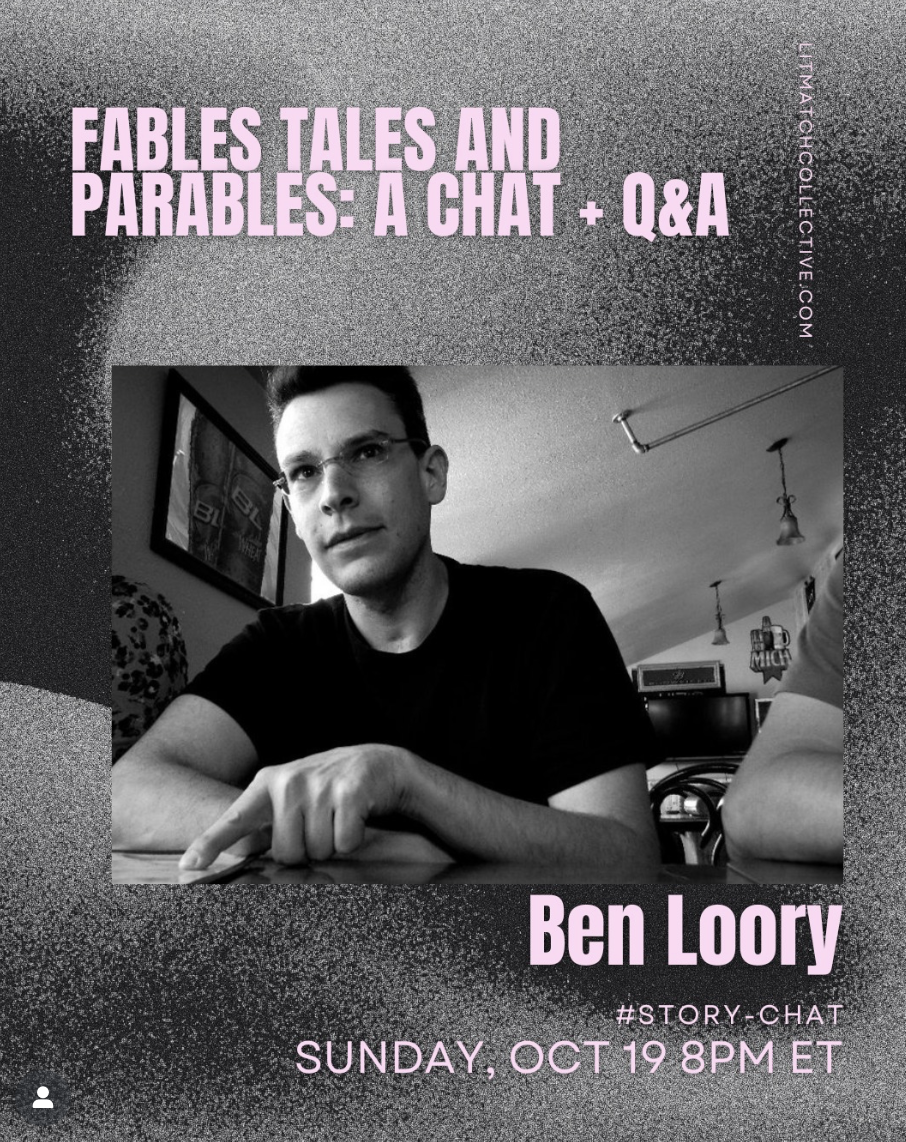
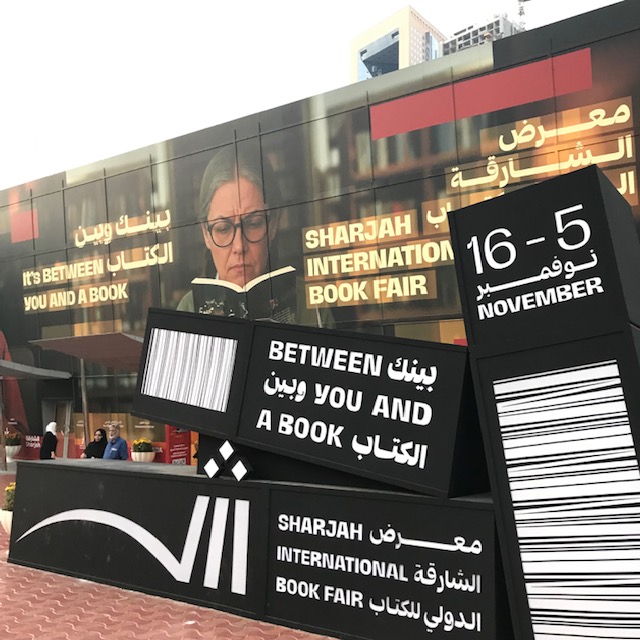
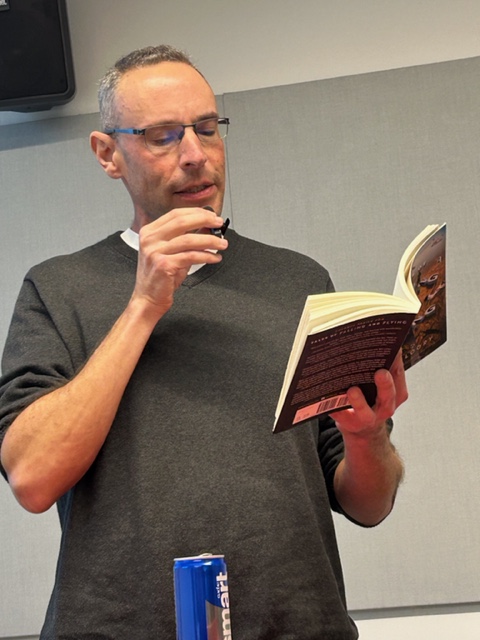
It’s hard to say what I did in 2025! Doing anything at all felt like trying to fly a paper airplane in the middle of a rainstorm. But I’ve looked through the records, and here’s what I managed to scrounge up: I did five public readings in 2025: In March, at the Same Difference reading series at LA’s Angel City Zen Center, in September at Echo Park’s landmark Taix Restaurant for the This Friday reading series, in October at a delightful Author Talk at the Pasadena Village (thanks to Helen Kraus and Jim Hendrick!), online as a featured reader at Lit Match Collective, and then finally, in November, as a Guest Author and Panelist (“Magic in the Everyday”) at the Sharjah International Book Fair in the United Arab Emirates, and at Our English High School in Dubai.
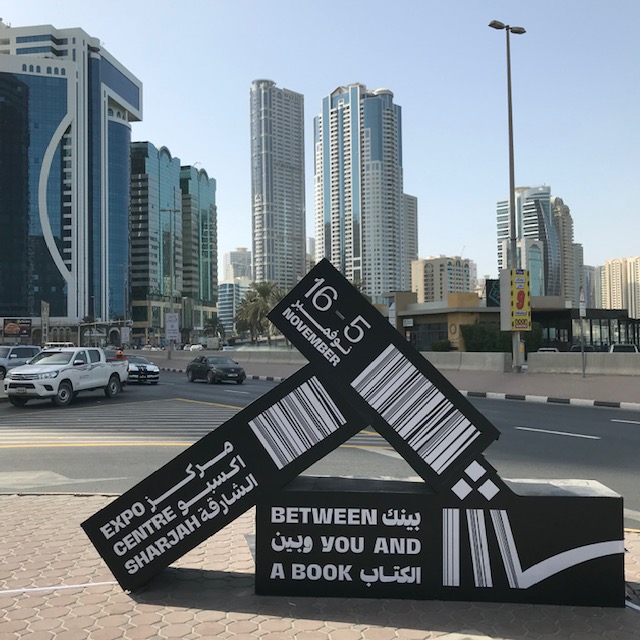
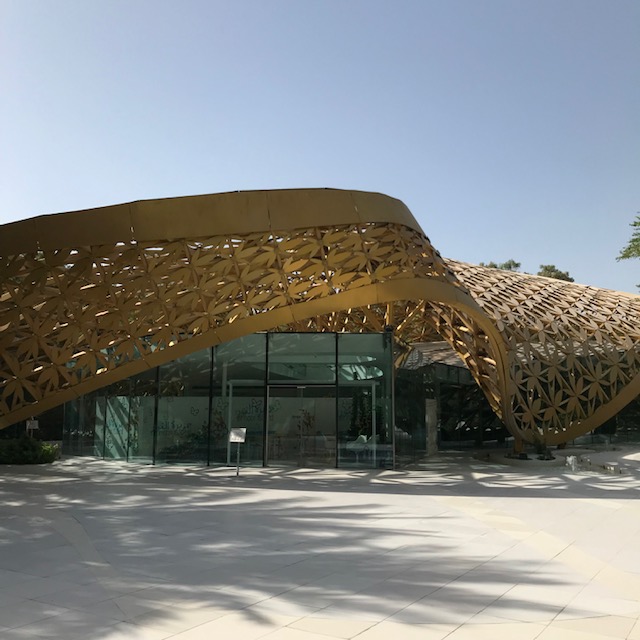
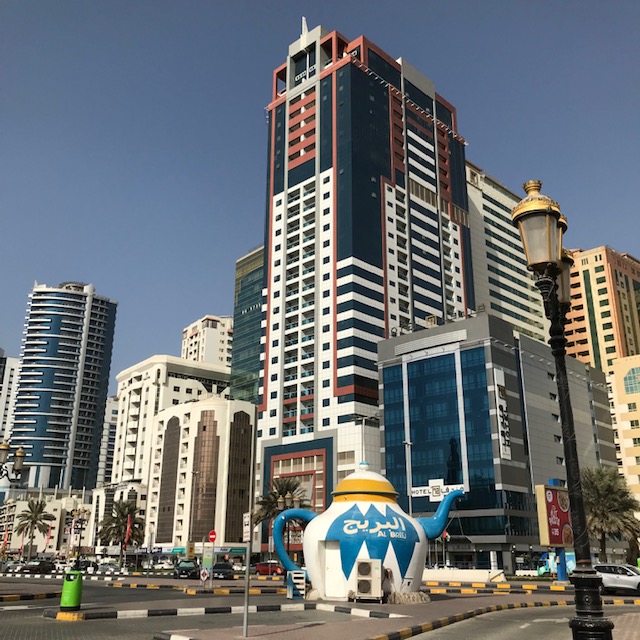
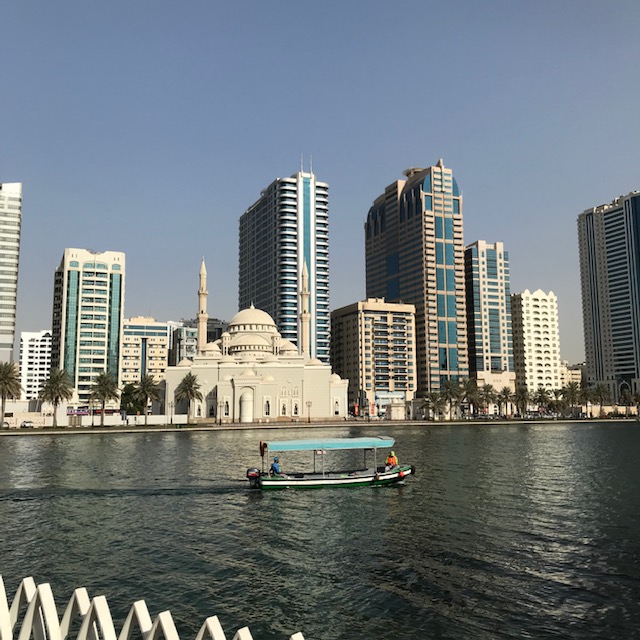
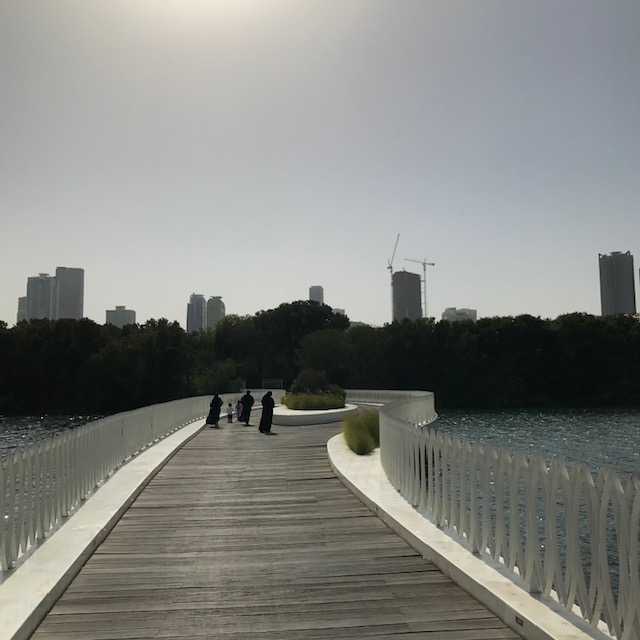
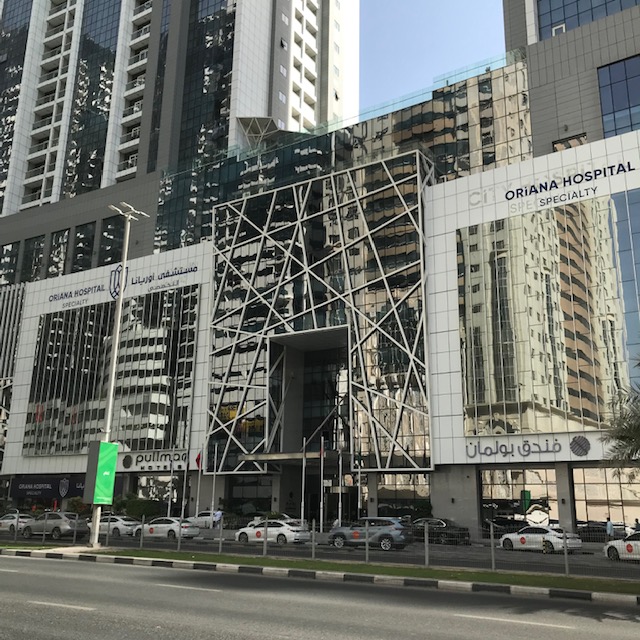
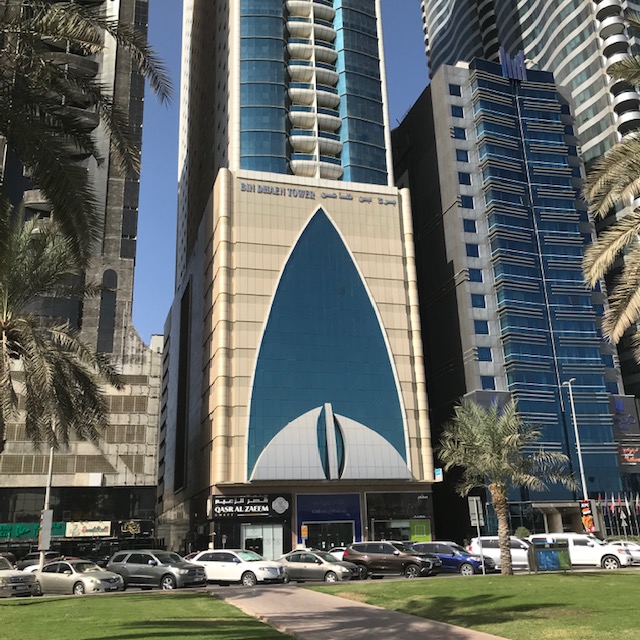
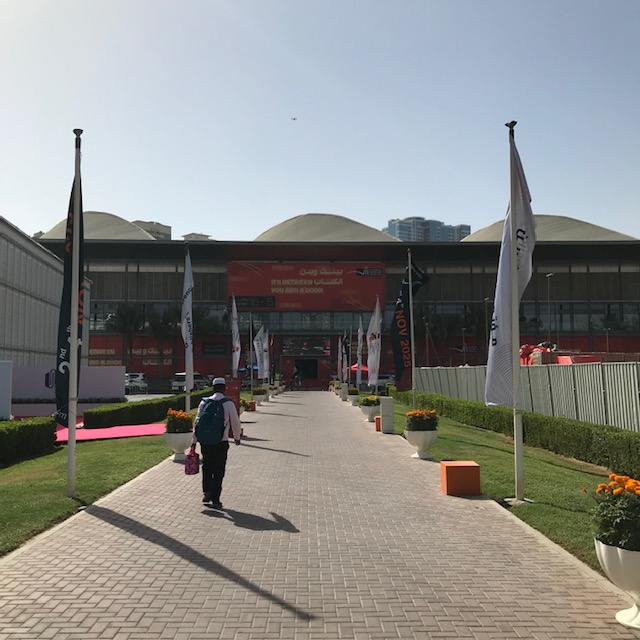
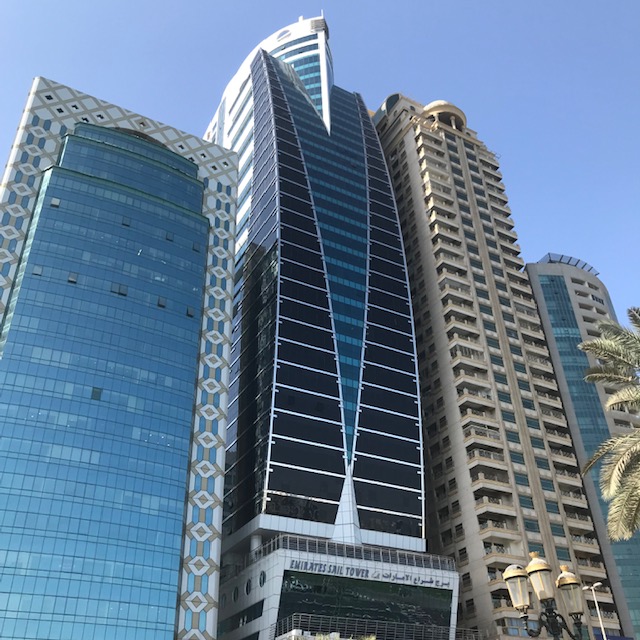
The United Arab Emirates was pretty cool! I expected it to be about 2000 degrees, but it was about the same as Los Angeles, high 80s/low 90s, with even less humidity (though infinitely more smog?). It felt a little bit like visiting the future—an endless city of gleaming white skyscrapers—only a future in a completely barren desert (while also on the sea!). I walked about 15 miles a day around Sharjah and never saw a single instance of graffiti (or a couple holding hands or kissing, for that matter; apparently they have laws about that). I was asked for directions everywhere I went (almost always, it seemed, by Dutch tourists), and actually got pretty good at giving them. I’d completed the Duolingo Arabic course before I went, and was surprised to find I could read all the signs and maps and pamphlets; on the other hand, I couldn’t understand a single word anyone said, let alone even begin to say anything back. Luckily, the whole country spoke English (and most people, better than me). Here are a few other pics I took while out on my travels (I resisted the urge to post every painting in the Art Museum, but if you ever go to Sharjah, it’s a good one):
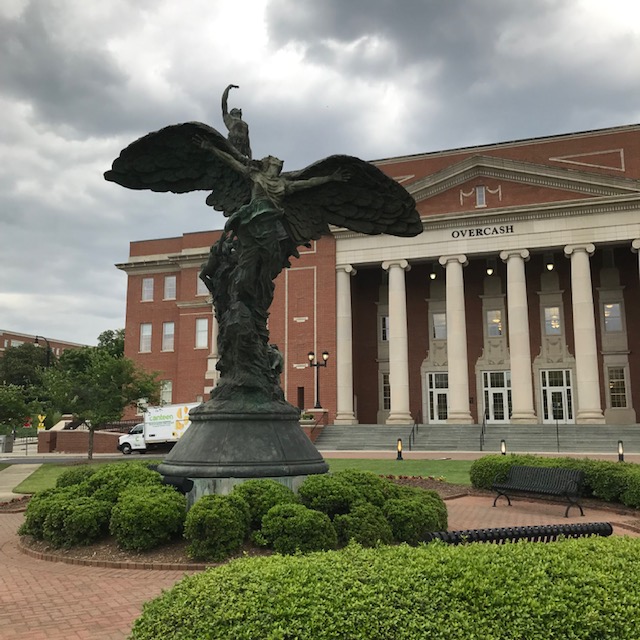
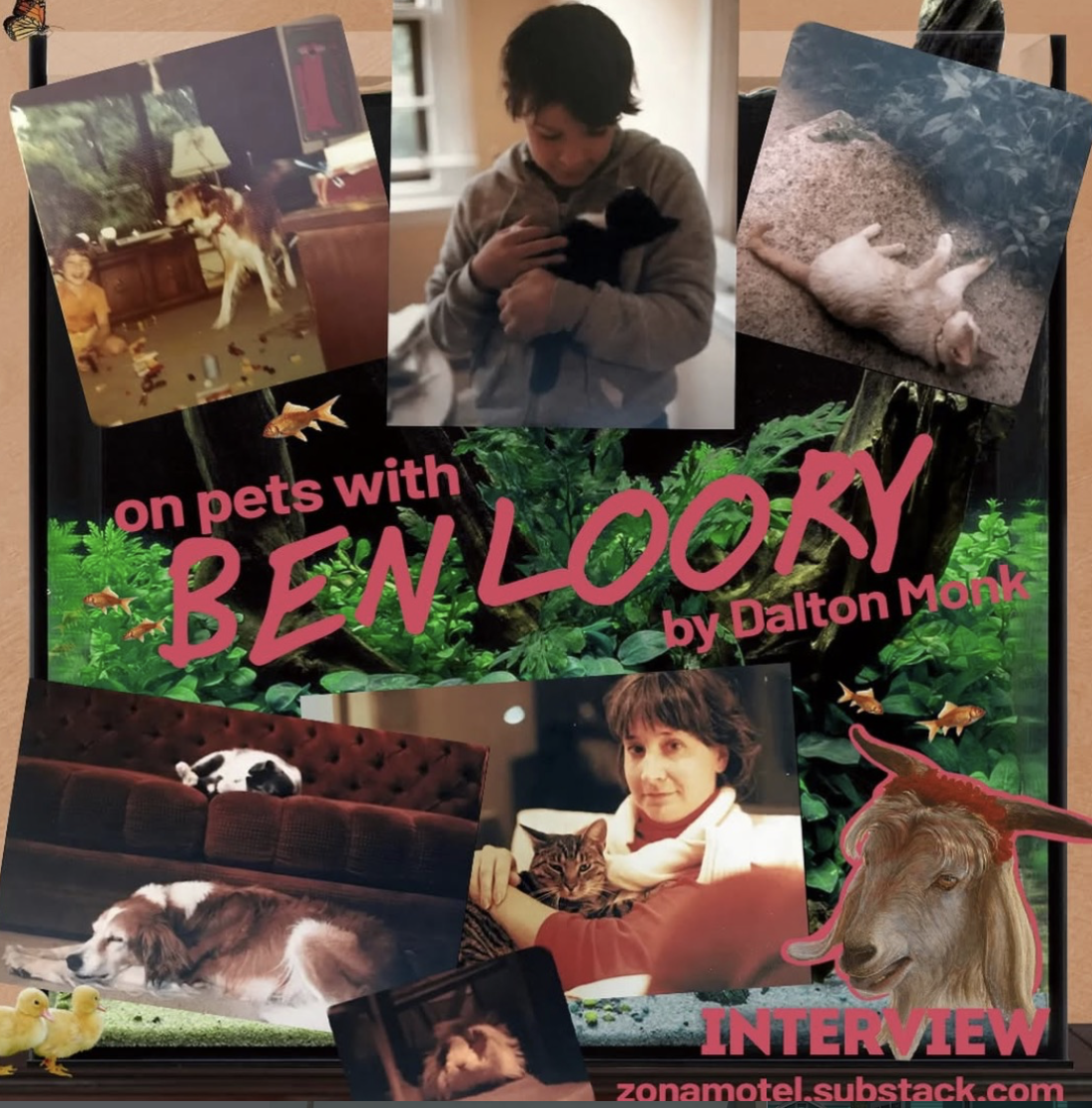
What else? I flew out to Charlotte, North Carolina to see a live performance of all of composer Nathan Hudson’s classical compositions based on or inspired by my stories (you can buy a full album of that music here, btw), was a judge for the Omega Sci-Fi Project’s 10th Anniversary High School Fiction Contest, taught approximately ten thousand classes, was interviewed about my childhood pets by Dalton Monk over at Zona Motel, and appeared on the Humming Fools Podcast (Episode #97), interviewed by Kyle Stück. My story “The Vatican” (which first appeared online in Electric Literature) was performed by Tony Award-winning actor Santino Fontana at the Stissing Center in Pine Plains, NY, as part of the Selected Shorts on Tour program, and three of my other stories (“The Man, the Restaurant, and the Eiffel Tower,” “The Book,” and “The Man and the Moose”) popped up on the Selected Shorts podcast (on the episodes “Sizzling Summer Travels,” “Reading Between the Lines,” and “Perfectly Unmatched,” respectively). 

Time to brag about my students! I had past or present students publish stories in the Mississippi Review, Terrazzo Editions, Fairy Tale Review, Short Story Long, Craft Literary, Epoch, Tractor Beam, Greensboro Review, HAD, New Millennium Fiction, New England Review, Johnny America, the Mason Jar Press Jarnal, and Zoetrope All-Story, among others. Past student Emily Hunt Kivel’s debut novel Dwelling came out from FSG, and Greta Morgan’s memoir The Lost Voice was published by HarperOne. Daniel Pope’s Go Help Yourself is coming in 2026 from The University of New Orleans Press, and Tlotlo Tsamaase’s House of Margins is on the way from Erewhon Books (with her YA duology The Bloodwinds coming soon after that from Knopf). I’m sure there are others that are slipping my mind at the moment! If yours is one of them, please let me know so I can brag about it here.
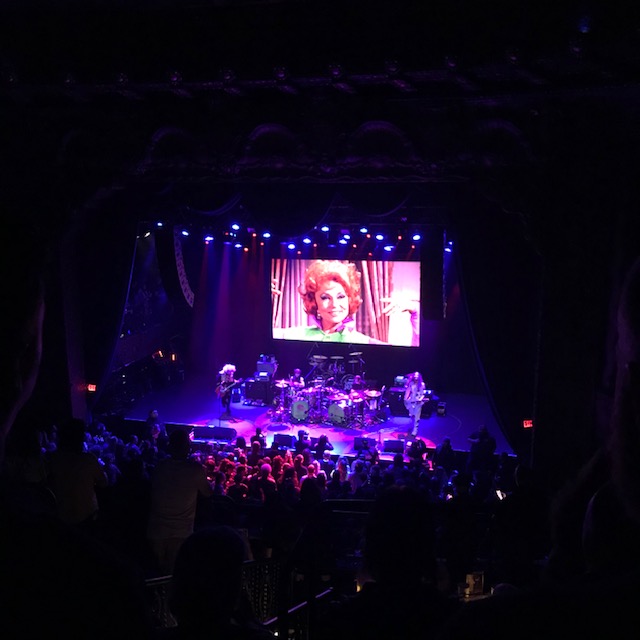
In personal news, I finally saw the Melvins again, after 6-7 years of not seeing them (I used to see them live at least 2-3 times a year), and am happy to report they are still incredible (though I do miss the days when Buzzo played a Les Paul). I also saw the Murder City Devils for the first time ever on their reunion tour, enjoyed an array of Baroque pieces (including some amazing Legeti stuff!) at the Colburn School, and heard some lovely Christmas Choral Music at the Disney Hall. It’s nice to see live music again! Even though I still can’t say I like breathing other people’s air.

I don’t know what’s going to happen in 2026, but I do know two things: 1) My story “The Duck” (from Stories for Nighttime and Some for the Day) will be read by Sonia Manzano (from Sesame Street) at the Mahaiwe Performing Arts Center in Great Barrington, MA, on February 13, as part of the Selected Shorts “Lovers & Strangers” show (tickets available here), and 2) My story “The Book” will be appearing in a new Library of America volume entitled American Flash Fiction: An Anthology, edited by David Ulin, alongside work by Mark Twain, Hemingway, Lydia Davis, and Donald Barthelme, among others. I’ve always loved the Library of America (at the moment, I’m working my way through the second volume of their Crime Novels of the 1960s: Nine Classic Thrillers set), so this is not just an honor, but a really big deal to me—“Made it, Ma! Top of the world!” etc.

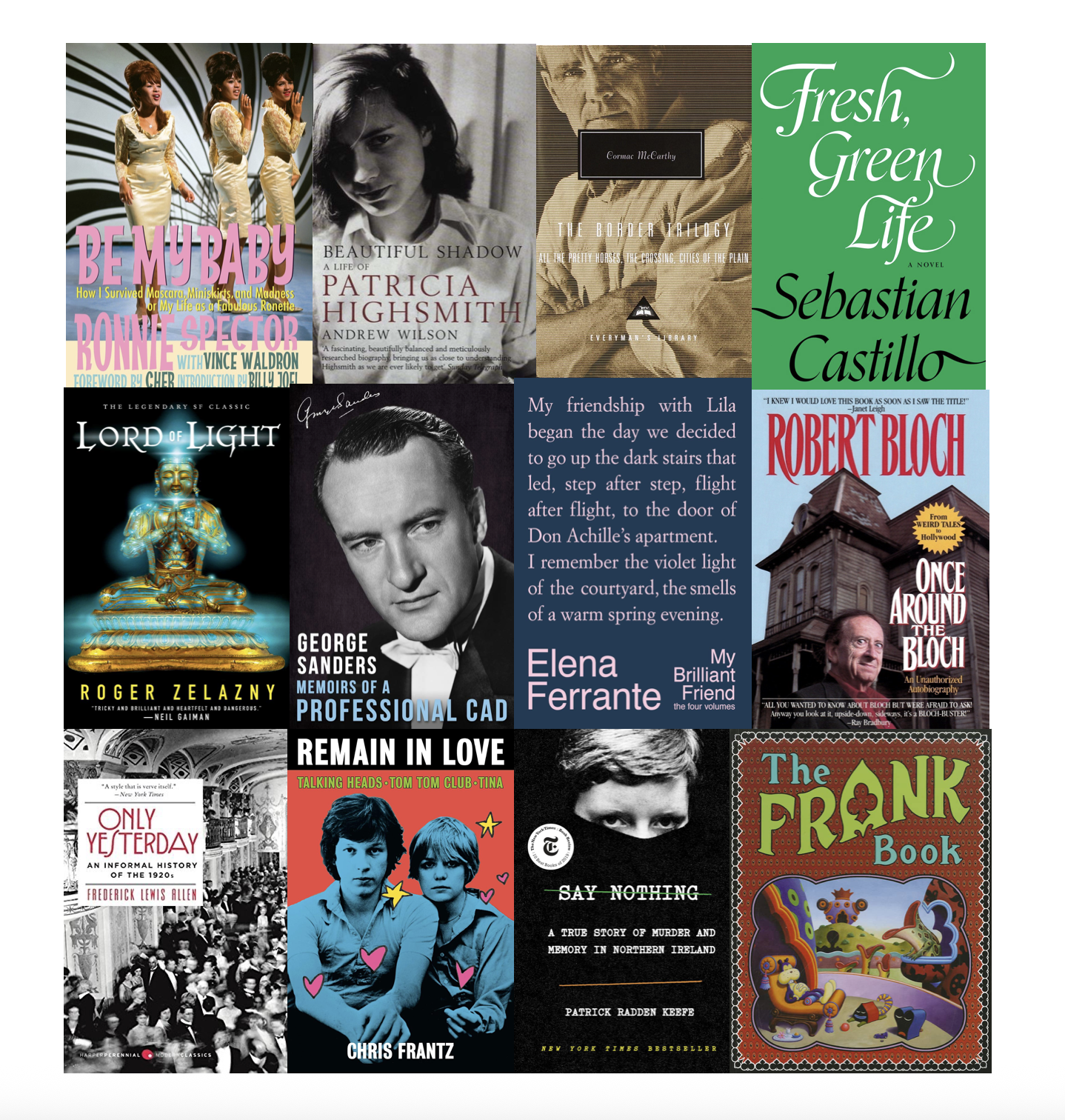
Reading-wise, I had a pretty good year. I read 103 books. My hands-down favorite was Jim Woodring’s The Frank Book, an impossible-to-describe collection of wordless surreal/metaphysical comics (about a cat (??) named Frank trying to make sense of/control his/the world) that made me feel like I was floating smoothly but swiftly upward and off this godforsaken planet—But to where?? To where?? I really can’t possibly recommend this book enough (unless you’re one of those people who’s into, uh, highly understandable things). My other favorite reads of the year were Be My Baby: A Memoir by Ronnie Spector (listen to the audiobook, it’s read by Rosie Perez, and she is amazing—it’s one of my favorite audiobook performances ever, right up there with Matt Godfrey’s reading of Michael McDowell’s Blackwater and Marina Abramovic’s reading of her own memoir Walk Through Walls), Roger Zelazny’s Lord of Light (I’ve never been a huge Zelazny fan, but the ideas in this novel still dazzle me all these months later), Memoirs of a Professional Cad by George Sanders (which is like the whole story of his life told in the hilariously acid voice of his Addison DeWitt character from All About Eve), Sebastian Castillo’s Fresh, Green Life (a very funny Bernhardian alt-lit (ex-)academic novel that just kept taking brilliant turns I never saw coming), Elena Ferrante’s Neopolitan Novels (I still prefer her The Days of Abandonment, but I’ll admit everyone was right about these), Cormac McCarthy’s Border Trilogy (esp the first section of the second book, The Crossing, about the boy returning the wolf he trapped down to the hills of Mexico where it came from, amazing story), Say Nothing: A True Story of Murder and Memory in Northern Ireland by Patrick Radden Keefe (I learned a lot about Northern Ireland and the IRA from this book (most of which I’ve already forgotten), but I particularly loved it for the whole side-story (which eventually becomes the main story) about the oral history project about the Troubles that’s begun “for purely historical purposes” at Boston University before it’s eventually (and somehow unexpectedly??) perverted into legal evidence), Once Around the Bloch by Robert Bloch (makes a wonderful gift for any Psycho super-fan in your life), Andrew Wilson’s Beautiful Shadow: A Life of Patricia Highsmith (also taking this moment to recommend the 10-part Netflix Ripley series (based on her novel The Talented Mr. Ripley and starring Andrew Scott), which is not just an excellent adaptation, but also shot-by-shot, second-by-second, one of the most beautiful things I’ve ever seen in my life (it’s kind of like “Eraserhead goes to Italy,” if you’ll forgive me), Chris Frantz’s Remain in Love (a fascinating look at the Talking Heads, which revealed to me (after decades of listening) that there were actually more people than just David Byrne in the band?? Who knew??), and lastly but not leastly, Frederick Lewis Allen’s fascinating year-by-year history of the 1920’s, Only Yesterday, which was a treasure chest of unbelievably interesting facts and insights, and a true pleasure to read. (The decade-later follow-up, Since Yesterday, was also good, but as the 30’s as a decade were a real drag compared to the 20s, it doesn’t quite have the same juice).
I also spent a good chunk of 2025 finally catching up on some big novels I’d been meaning to read for a long time. This produced largely negative results (as, I must say, I fully expected): I loved Bolaño’s 2666 (though not as much as his short stories, especially those in Last Evenings on Earth, which is one of my favorite books of all time), but that was the outlier (and probably mostly due to the fact that it’s actually 5 normal-length, well-focused novels which are thematically linked and bound together into a single book). I thought Musil’s The Man Without Qualities was an unexpectedly delightful, breezy read through most of the first book, but never really found its direction and just wandered around for a really really really long time before eventually winding down and collapsing into a million pieces, leaving me to wonder why I’d spent all that time learning about all those characters who never went anywhere or did anything. Thomas Mann’s Buddenbrooks was fine but in the end just a realistic (and largely humorless) family saga (not a genre that interests me much), and nowhere near the kind of towering marvel of wonder and terror that is The Magic Mountain. Cartarescu’s Solenoid was incredible for the first 200 pages—just so much fun, so wild and fresh and inventive!—but then became repetitive and seemingly endless (my personal nightmare).

Some other long books I read and didn’t like this year: D.H. Lawrence’s The Rainbow (don’t remember anything about this tbh), London Fields by Martin Amis (though it get points for imagination), Humboldt’s Gift by Saul Bellow (great if you want to hear some assholes rant at each other for 700 pages), Bleeding Edge by Thomas Pynchon (don’t even get me started on Thomas Pynchon), Carrion Comfort by Dan Simmons (a ton of great horror ideas, but just completely buried beneath hundreds of pages of extraneous running about), and The Pillars of the Earth by Ken Follett (I actually enjoyed this quite a bit until all the characters I liked died and the book just kept on going and eventually crushed me via page count). 

I did enjoy Of Human Bondage by Somerset Maugham (though not as much as The Moon and Sixpence or The Razor’s Edge or even The Magician), Little, Big by John Crowley (while it was definitely better in the beginning than the end, it was mindblowingly great in the beginning and everyone should read it!)), A Voyage to Arcturus by David Lindsay (which was brilliant, mystifying, and terribly boring in about equal measure (kinda like Twin Peaks: The Return in that way (only minus the attractive ladies))), and A Game of Thrones by George R.R. Martin. Martin is an excellent writer with a ton of focus who really knows how to build and turn and explode a scene; my only problem with the book is that I prefer my fantasy to be full of, well, fantasy, and what Martin is doing is to my mind more along the lines of realistic historical fiction (only taking place in a world with a slightly different geography than our own). But that’s a “me” problem, so whatever—I did like it! But when it was over, mostly I just wanted to go reread The King of Elfland’s Daughter by Lord Dunsany.

What else? I continued my trip through Octavia Butler’s work by finishing her Xenogenesis series (or what I guess they’re now calling her Lilith’s Brood series for some reason?). I think I’m pretty much done with Butler now except for Parable of the Talents and some of the non-fiction. My favorites are still the Patternmaster books, where I started and which I think are phenomenal, just a really fascinating and unique psychic world, and of course the short story “Bloodchild,” which is a miracle of economy, power, and imagination. I also love the world of Parable of the Sower (and esp the idea of a street drug that makes fire so enjoyable that the US citizenry immediately burns the whole country down) but find the actual story kind of boring.

Continuing my years-long Michael McDowell journey, I read his Katie (not quite first-tier McDowell (which is to say, not quite Blackwater) but definitely frightening and a lot of fun (and has an audiobook read by the great Kimberly Wetherell), his unfinished-until-Tabitha-King-came-along-and-finished-it Candles Burning (which, uh, might have best been left unfinished, imo), and Vermilion, the first of the four gay detective novels McDowell co-wrote with Dennis Schuetz under the name “Nathan Aldyne,” which I really enjoyed. I always like a book that really dives into a super-specific time and place and subculture; I went to college in Boston in the years right after those the book details, but let’s just say, I had a very different experience of the place! I found myself saying “Oh, I didn’t know that!” a lot, and checking back and forth between the book and wikipedia and google maps and street views, etc. Totally nerded out on this book and felt like my world grew larger.

Katie Kitamura! I read three books by Katie Kitamura this year: Audition, Intimacies, and A Separation, and liked them all; she does this thing where she’s mostly just writing normal everyday relationship stories but somehow doing them in the style of suspense novels? I get all nail-bitey but it’s just two people being sad after a break-up? Not sure how she came to be doing what she’s doing, but I’m a fan and will read more.

What else? I read two books by Helen DeWitt (Lightning Rods and The English Understand Wool) and loved them both, two by John Steinbeck (The Red Pony and Tortilla Flat) and loved neither (though the actual story “The Red Pony” is wonderful (and made me sob uncontrollably)), and two by Denis Johnson (Nobody Move and The Laughing Monsters) and thought they were both kinda Eh. I also read three books about the Ramones (the Nicholas Rombes 33 1/3 one, Johnny Ramone’s Commando, and Dee Dee’s Lobotomy: Surviving the Ramones), and mostly just decided that the Ramones, while a great band, were not very interesting people.

What else? I reread three books: Alfred Bester’s The Stars My Destination, John Wyndham’s The Day of the Triffids, and Fredric Brown’s The Screaming Mimi, and am pleased to report they all hold up! The Bester really comes out swinging and feels like the best SF book of all time for the first third or so; after that it goes a little emotionally blank but is still a whole lot of pulpy fun. The Day of the Triffids is just plain scary as hell start to finish—I don’t even really like to think about it! (Also this time around I suddenly realized that one of my other favorite SF books, Tom Disch’s The Genocides, is pretty much just an extension (not to say rip-off) of it? Somehow I’d never noticed that before?) Finally, The Screaming Mimi, while not my favorite Fredric Brown (that would be Here Comes a Candle, or The Far Cry, or maybe Night of the Jabberwock, or—Oh! I forgot Nightmares and Geezenstacks, it’s gotta be Nightmares and Geezenstacks), really inscribes some powerful images into your brain, and nails you to the floor with a great sense of doom. I love Fredric Brown so much and feel bad because I think he maybe didn’t have a very happy life. Fredric Brown deserved better!

Some other books I enjoyed this year: Colm Toibin’s The Master, The Maniac by Benjamin Labatut (got me really into the game Go for about seven minutes), All for Nothing by Walter Kempowski, James Galvin’s The Meadow, Ann Schmiesing’s The Brothers Grimm: A Biography, Mozart: The Reign of Love by Jan Swafford, Nothing to See Here by Kevin Wilson, Run Man Run by Chester Himes, Hiroshima by John Hersey, Madeline Miller’s The Song of Achilles, Sarah Levine’s Treasure Island!!!, Tove Jansson’s The Summer Book, Penpal by Dathan Auerbach, Michael Streissguth’s Outlaw: Waylon, Willie, & Kris, Dancing Aztecs by Donald Westlake, Ed McBain’s Doll, The Pornographer by John McGahern, The Fiend by Margaret Millar, The Ask by Sam Lipsyte, Suttree by Cormac McCarthy (actually I didn’t like this at all, but enjoyed suddenly noticing how much he loves Steinbeck), Metzger’s Dog by Thomas Perry, Nate Lippens’ Ripcord, and the wordless novel The Depository by Andrzej Klimowski. I also read a lot of essays by Seneca, Cicero, and Plutarch, and enjoyed them all, but they all kinda blended together in my mind and now I can’t even remember which was which.

My favorite short story I read this year was “Window Boy” by Thomas Ha, which I read in The Best American SF & Fantasy 2024, but which you can now also find in Ha’s debut collection Uncertain Sons & Other Stories, out from Undertow Publications. I also really liked “How Much Land Does a Man Need?” by Tolstoy (I love how so many of Tolstoy’s short works read like Twilight Zone episodes), “Light is Like Water” by Gabriel Garcia Marquez, the aforementioned “The Red Pony” by Steinbeck (bring a hanky (a really large hanky!)), and “Playing Metal Gear Solid V: The Phantom Pain” by Jamil Jan Kochai.

Lastly, this was the year I finally read Marx’s Capital (which I did while lying flat on my back in Emirates business class on my way to the UAE). I didn’t expect it to be fun, but it was! Marx is an entertaining writer, an excellent explainer, and is boiling over with sarcasm and righteous anger and really knows how to get you all fired up about injustice. Most of the book probably went over my head, as I have no capacity for abstract thought, but I did enjoy the experience. A lot more than that god damn Thomas Pynchon nonsense.

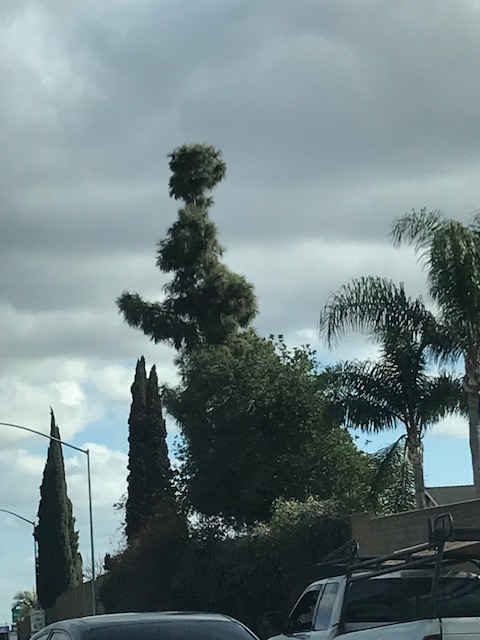
And lastly, here’s my favorite photo I took in 2025; some kind of Mary Poppins-lookin’ tree:
Happy 2026 everybody! Let’s hope it gets better, because worse would be really, really bad.

Stories on Selected Shorts + Interview at Humming Fools

I’m having a big month on the Selected Shorts podcast right now, with three of my stories airing in rapid succession! First up, there’s “The Man, the Restaurant, and the Eiffel Tower” (from Tales of Falling and Flying) read by actress Stana Katic on the July 17 episode (Sizzling Summer Travels), then “The Book” (from Stories for Nighttime and Some for the Day) read by Jane Kaczmarek on the July 24 episode (Reading Between the Lines), and finally, “The Man and the Moose” (also from Stories for Nighttime and Some for the Day) read by Michael Cerveris on the August 14 episode (Perfectly Unmatched). They all do a great job and it is a supreme honor (as always!) to be on Selected Shorts, the one absolutely necessary podcast for short stories. You can listen to those episodes here on their website, or whenever you listen to your podcasts.

In other news, I was interviewed by Karl Stück for the Humming Fools podcast a few weeks ago, and that interview is now live! You can listen to the episode (Number 97) on the Humming Fools website, over on Spotify… and also probably some other places? I don’t know, the internet has become a bit beyond me at this point. Anyway, it was a fun conversation and Karl sent me this drawing they made of me (based on a photo taken by my landlord, Mars Sandoval (thanks Mars!) (and thanks Karl!)).

And I guess that’s all I got for now? I hope you all are doing well and hanging in there! If you’re looking for a good book to read, some recent favorites of mine are Audition by Katie Kitamura, Lord of Light by Roger Zelazny, and Be My Baby: How I Survived Mascara, Miniskirts, and Madness, or, My Life as a Fabulous Ronette by Ronnie Spector (the audiobook of this is especially amazing, as it’s read by Rosie Perez, and she makes every line an emotional journey and a delight).

What I Read and Wrote and Did in 2024

I published only one story in 2024, “The True Story of George Washington and the Cherry Tree,” which appeared in R&R, the new literary journal from Relegation Books. One isn’t a lot of stories! But it was a good one, so it counts double, maybe even triple or 10-20x? That’s what I’m telling myself. This was the third in a series of stories I’ve written about famous people and their weird relationships with trees, which began with “James K. Polk” in 2012 (later included in Tales of Falling and Flying), and then continued on with “Joan of Arc” in 2019 (one of my favorite stories I’ve ever written). Maybe there will be more? I hope so, but who can tell? It’s not like I’m in charge around here. Many thanks to editor Joey Grantham for his help on the story and for publishing it and teaming it with the perfect Brad Holland painting. I love what Joey’s doing over at R&R and I hope they are rewarding him handsomely.

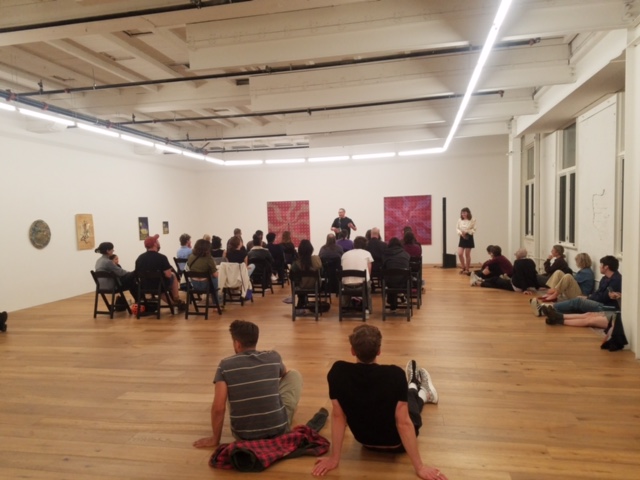
I did four public readings in 2024: First, out in Baltimore at the Hidden Palace reading series, which was maybe my favorite reading I’ve ever done? I got to stay in a fancy hotel and drink fancy drinks in a loud, cramped, dimly lit bar and eat 700 lbs of delicious french fries at 3 in the morning and hang out with Danielle Evans and Ashleigh Bryant Phillips, two of my favorite short story writers in America. Then, back in Los Angeles, I did a reading at the Hannah Hoffman Gallery, in concert with an exhibition related to Ursula Le Guin’s Lavinia, alongside my old student Emily Hunt Kivel, whose first novel, Dwelling, is coming in August from Farrar, Strauss, and Giroux. I also got to see some old friends from Dennis Etchison’s writing classes back in the day. (They were both wearing octopus t-shirts, and I was reading a story about a squid—Lovecraftians!) The third reading I did was at a Los Angeles Review of Books event at Permanent Records Roadhouse in Cypress Park and it was great fun, maybe because I got a suspiciously large number of free drink tickets and didn’t eat anything. I did meet some long-time fans who said really nice things to me (I gotta come up with some better things to say to people who say nice things to me, sorry about that), and got to hang out with my grilled cheese lunch buddy Zoe Ruiz (currently available for all your coaching and editing needs). Then in November I went up to Cal State East Bay for their Distinguished Visiting Writers Series and finally got to go to the Winchester Mystery House, which I’d been wanting to see for 30+ years and turned out to be way, way weirder and more disorienting & disturbing than I’d expected.

The coolest thing that happened in 2024 (to me, anyway) was that my album came out! I say “my,” though really it’s my friend’s album—composer Nathan Hudson—and I had almost nothing to do with it. But my name is on it, so I’m happy to take credit! It’s an album containing four pieces of contemporary classical chamber music, each composed by Nathan, and based (some more loosely than others) on one of my stories (“The Duck,” “The Well,” “The Squid Who Fell in Love with the Sun,” and “God“). It was funded via KickStarter (thanks everybody!), recorded earlier in the year, and released by Neuma Records in October. It’s called Music for Falling and Flying, and you can listen to and/or (preferably!) buy it on Bandcamp, YouTube, Spotify, at the Neuma Records website, or wherever else you do those kinds of things. I have to say, it’s really good! The recording of “God,” especially, I just love.

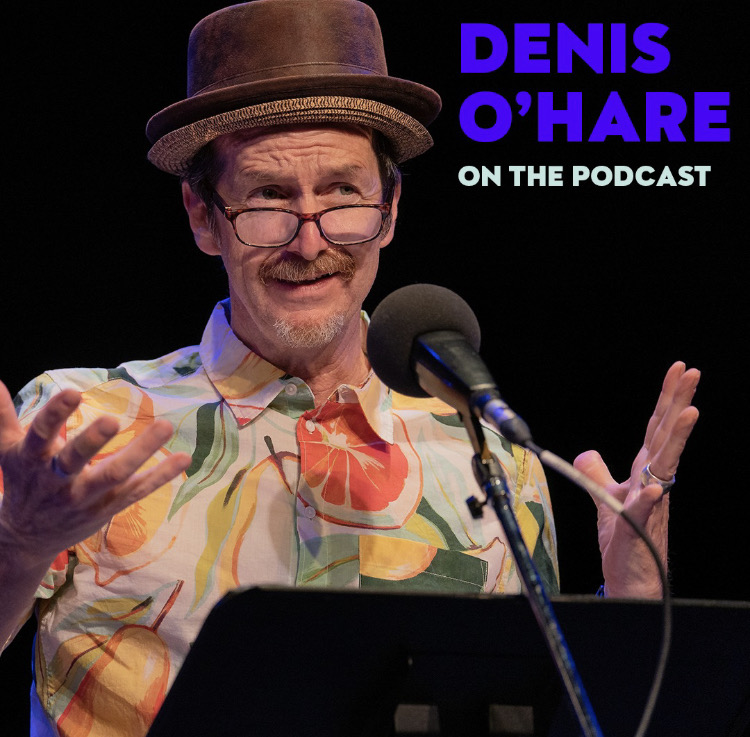
What else do I have to report? A couple of my stories popped up on the Selected Shorts Podcast again: “Dandelions” (read by Wyatt Cenac on Episode #50: Best Laid Plans), “The Frog and the Bird” (read by Mike Doyle on Episode #38: Taking Flight with Amy Tan), and “Death and the Lady” (read by Denis O’Hare on Episode #22: Reality Checks). I answered some Chaos Questions for Sheldon Lee Compton over at Hobart, was interviewed on Robert Swartwood Live, got a nice mention in the LA Times in an article by Jim Ruland about Short Story Month, got to choose 3 books for the Juror’s Prize at the 18th Annual National Indie Excellence Book Awards, and contributed a little blurb about my favorite short story collection I read this year to Aaron Burch’s new journal Short Story, Long.

Mostly what I did in 2024 was walk around. Starting back in April, I walked 5-6 miles every day (and sometimes 10-12). I resolved to walk down every street within a reasonable distance of my house and, while my definition of “reasonable” expanded a lot as the months went by, eventually, I have to say, I think maybe I did it? I walked all around Echo Park, Elysian Heights (and Valley), Silver Lake, Los Feliz, Westlake, Victor Heights, Chinatown, DTLA, all around Elysian Park and the Dodger Stadium area, over into Lincoln Park, Koreatown, etc. It was a lot of walking (and still is!). I lost 30 pounds and saw some cool buildings and got to know the city’s Little Free Library system like the back of my hand and learned a lot about the history of Los Angeles and Los Angeles architecture and ate a ton of donuts, bagels, and clif bars. I also wore out a bunch of shoes, had to buy a smaller belt, and got very interested in sun hats and sunblock.

But! Moving on. Let’s go to the year’s bookshelf!

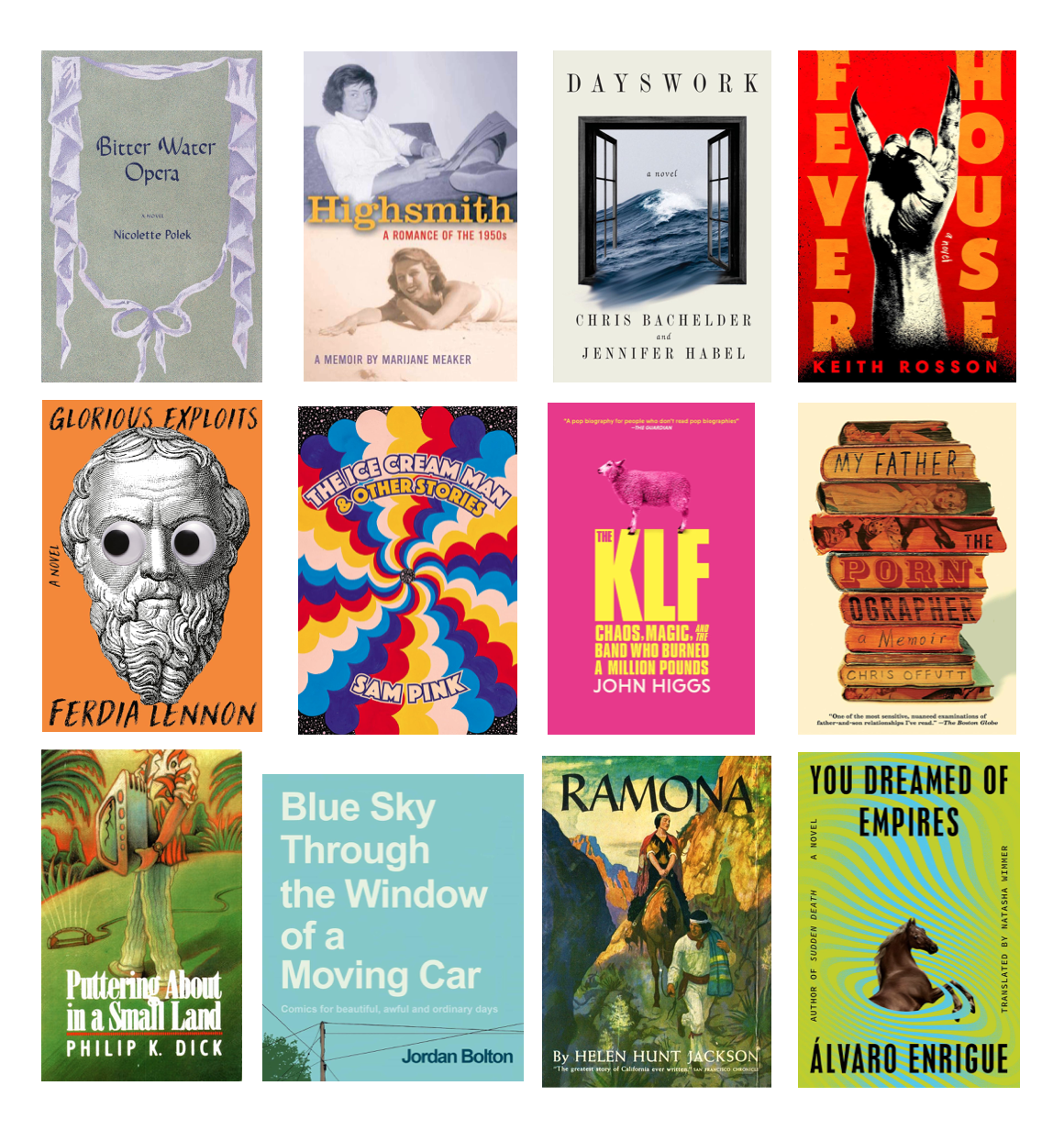
I read 156 books in 2024, unless my records are wrong (my records are never wrong). Some of my favorites were Bitter Water Opera by Nicolette Polek (a slim, sad, beautifully mysterious & haunting book that I instantly reread and promptly gifted to a bunch of people), Highsmith: A Romance of the 1950s by Marianne Meaker (not a great book, but I always like learning more about Patricia Highsmith (and imagining her fidgeting threateningly with her switchblade), and enjoyed the portrayal of a relationship where the two people involved clearly just don’t understand each other at all), Dayswork by Chris Bachelder & Jennifer Habel (a Reader’s Block-like literary portrait of Herman Melville, crossed with a texting-based pandemic novel, which sounds awful but was brain-ticklingly lively and fun), Fever House by Keith Rosson (I’ve been a Keith Rosson fan for years, and this one exceeded not just my expectations but my hopes—surreal, fast-moving, emotionally harrowing, funny, illuminating, and scary as hell), Glorious Exploits by Ferdia Lennon (probably my favorite book of the year; a buddy drama about two down-on-their-luck friends inexplicably driven to stage Euripides in a POW camp in ancient Syracuse), The Ice Cream Man & Other Stories by Sam Pink (I still don’t get why Sam Pink isn’t famous, he should totally be famous (little plug for his Rontel here, one of the 4-5 funniest things I’ve ever read)), The KLF: Chaos, Magic, and the Band Who Burned a Million Pounds by John Higgs (explained a lot of things about The KLF that I hadn’t even noticed I didn’t understand before, and also somehow made me feel like a super genius, which I enjoyed), My Father, the Pornographer by Chris Offutt (when I was 15 I was obsessed with Chris Offutt’s dad Andrew J. Offutt’s fantasy novels and Thieves’ World stories and always wondered why he didn’t write more—well, turns out he was busy with other things! And also with being a total maniac??), Puttering About in a Small Land by Philip K. Dick (has my vote for best title of all time (except maybe for The Sailor on the Seas of Fate (and/or The Sailor Who Fell from Grace with the Sea))), Blue Sky Through the Window of a Moving Car by Jordan Bolton (a collection of beautiful & piercingly sad comics by this guy I follow on Instagram), Ramona by Helen Hunt Jackson (which she wrote to draw attention to the injustices perpetrated against Native Americans in this country, but which ended up instead helping to create the Southern California tourism industry, as readers went west on the new railroad hoping to see the (completely imaginary) home of the beautiful (and completely imaginary) Ramona from the book), and You Dreamed of Empires by Alvaro Enrigue (which I read the same week as I saw Longlegs—I hadn’t expected them to dovetail so perfectly).

As a result of Dayswork, I read three books by Melville: Billy Budd (a reread (though I still can’t say I get the appeal)), The Confidence-Man (mysterious and fun at first, but episodic and gets old fast), and Typee: A Peep at Polynesian Life (which is fantastic, a wonderfully fun book full of remarkable scenes and sentences; made me want to run off to an island paradise full of charming & hilarious cannibals and row my girlfriend around a lake in a canoe). I also read three books by James Welch: The Death of Jim Loney, Winter in the Blood, and Fools Crow (all excellent), two by Somerset Maugham: The Magician and The Moon and Sixpence (The Moon and Sixpence on the recommendation of Stephen King (more about him later)), two by Tobias Wolff (In the Garden of the North American Martyrs and Back in the World (good, but neither as good as The Night in Question)), two by Sara Gran (The Book of the Most Precious Substance and Saturn’s Return to New York (and liked them both, though Claire DeWitt and the City of the Dead and the audiobook-only Marigold are still my favorites)), two by Steven Millhauser (Disruptions and Dangerous Laughter), two by Octavia Butler: The Parable of the Sower and Dawn, three by Barbara Comyns: Our Spoons Came from Woolworth’s, The Vet’s Daughter, and Who Was Changed and Who Was Dead (still processing, but I liked the first two of these a lot), and three more of Iain Banks’ Culture novels: Matter, The Hydrogen Sonata, and Consider Phlebas (Consider Phlebas was the best).

One of my favorite things I did this year was sign up for a class on Philip K. Dick over at Morbid Anatomy, taught by my friend, PKD scholar David Gill (who wrote the introduction to (PKD’s third wife) Anne Dick’s indispensable bio The Search for Philip K. Dick). I’ve known David for years, ever since 2005 or so, when I used to run the Philip K. Dick fanpage over on MySpace (the good ol’ days), and it was nice to see him in action in a classroom (zoom room). The class was fantastic: 16 weeks, two 3-hour lectures per week… we went through PKD’s whole life and discussed all his literary phases and books; every other class we had a visiting scholar or someone from PKD’s life (friends, girlfriends, roommates, mentees, etc.) come to speak. I learned more about PKD and PKD-related weirdness than I would’ve thought possible, and finally got around to reading a few of the (very few) books of his I still hadn’t read, including The Crack in Space (pretty good), Dr. Futurity (blecch), and The Cosmic Puppets (great images but a bit lifeless), plus his first book, the non-science fictional Gather Yourselves Together (which was incredibly strange—long and rambly and full of awful people behaving in incomprehensible ways—but somehow in a good way??), and the above-mentioned Puttering About in a Small Land (which I really loved: as off-putting as all the characters are, and as little as I understand what the whole thing’s about, it’s idiosyncratic and alive and feels like the one book that maybe gets closest to making me understand who PKD was internally on a day-to-day basis (and also it has a great cover (on top of a great title))). I also reread Ubik, A Scanner Darkly, and The Three Stigmata of Palmer Eldritch, three of my all-time favorites of his—and hey, what do you know, they hold up! My favorite thing about the class was finally coming to understand how the two strands of PKD’s writing life (science fiction and literary fiction) finally came together around 1960 when (in hopes of finally making enough money to maintain his new wife in the style she was accustomed) he gave up his (failing) straight-world literary fiction aspirations, started jamming the “unhappy couples” of his literary novels into his (previously lone-man) SF books, upped his benzedrine intake about 1000%, and got really into Episcopalianism. All my favorite books of his come from that period; too bad the stress of it all brought everything crashing down. Still, he came through it okay! Well, eventually… more or less… for a while.

Anyway! Some other books I enjoyed this year: Murakami’s The City and Its Uncertain Walls, The Ugliest House in the World by Peter Ho Davies, A Different Darkness by Luigi Musolino (especially the first story, “Lactic Acid,” which reminded me of the short film “The Black Tower” which I saw a few months before and really loved), William Vollman’s Europe Central (though it would’ve been better as a short story), The Known World by Edward P. Jones, The Bluest Eye by Toni Morrison, Houellebecq’s Annihilation (though I don’t remember a single thing about it), The Knockout Artist by Harry Crews (Harry Crews is the best), Bukowski’s Hollywood (I also walked over to see Bukowski’s old apartment in Hollywood, it looked about as depressing as you’d imagine), Unaccustomed Earth by Jhumpa Lahiri (“Hell-Heaven” was probably the best short story I read in 2024, but this collection as a whole mostly just made me really sick of hearing about rich people, I couldn’t even finish it), Steve Anwyll’s Welfare: A Novel (troublingly vivid and unforgettable), Roger Zelazny’s first collection The Doors of His Face, the Lamps of His Mouth (one of the worst titles of all time, but the stories are solid; he’s sort of a hipper, more poetic Ray Bradbury), Bartleby & Co. by Enrique Vila-Matas, Experimental Film by Gemma Files (one of the best “cursed movie” books I’ve read), Penelope Fitzgerald’s The Bookshop, David Ulin’s Thirteen Question Method (always nice to read a book by someone who loves film noir as much as I do), Steven Dunn’s Potted Meat, David Gates’ Jernigan (They don’t really make books like this anymore… which, hey, is maybe for the best), Susanna Moore’s In the Cut, Matthew Bartlett’s Gateways to Abomination, The Doomsday Book by Connie Willis, Nicola Griffith’s Ammonite (really loved the psychedelic scope of this), Chaucer: A European Life by Marion Turner (which was infinitely more interesting than Peter Ackroyd’s Chaucer (Brief Lives), which I also read), Jan Fosse’s A Shining (actually I didn’t like this very much, but I did keep thinking about it afterward), Richard Mirabella’s Brother and Sister Enter the Forest, Fleur Jaggy’s Sweet Days of Discipline, Jordan Castro’s The Novelist, Randall Kenan’s Let the Dead Bury Their Dead, Kaveh Ackbar’s Martyr!, Christina Rivera Garza’s The Taiga Syndrome, Barbara Kingsolver’s Demon Copperhead, Yuko Tsushima’s Territory of Light, Scott Wolven’s Controlled Burn, Sayaka Murata’s Convenience Store Woman, and All Fours by Miranda July (which I fully expected to hate, and did! Until somewhere along the way I found myself admiring how totally mainstream and commercial-minded it was beneath the grating superficial wackiness… a neat trick). I also read Sjowall & Wahloo’s Cop Killer and The Terrorists, thereby finally finishing their 10-book Martin Beck series after many years of reading. Might begin again from the start.

Some classics I finally got around to in 2024: Uncle Tom’s Cabin (good book, though it made me feel bad for Uncle Tom, who’s a pretty decent guy in the book), The Hunchback of Notre Dame (which weirdly lacks the famous story-defining climax I remember from all the movies where he swings in on the rope and saves her (instead, she just… dies?? wtf)), The Phantom of the Opera (I love the physical world of this story more than maybe any other (an island in the middle of a secret, subterranean lake buried beneath a haunted opera house!!?? incredible stuff) but the story itself is a real snooze, The History of Tom Jones, A Foundling (almost terrifyingly energetic (also, I love the cover of the Penguin Classics edition)), Claude Brown’s Manchild in the Promised Land (one of those “Don’t Do Heroin” books, but a good one (I shall continue to not do heroin)), Hardy’s Tess of the D’Urbervilles (great ending involving Stonehenge), The Treasure of the Sierra Madre (loved this; a real world so messed up it reads like science fiction), Ishmael Reed’s Mumbo Jumbo (started out as one of the best books I ever read and then kinda spiraled out of control, but still, had me cheering and texting everyone excitedly for a while), and Dickens’ Hard Times (short, bleak, humorless; easily the worst Dickens I’ve ever read). I also read Charlotte Bronte’s Villette (in which the narrator withholds a lot of information from the reader, not sure exactly why but it was interesting), Anne’s Agnes Grey and The Tenant of Wildfell Hall (now I get why people don’t talk much about Anne), and reread Wuthering Heights (that book is intense! the very definition of bad vibes). It was my intention to read (or reread) all the Bronte books, but… I failed. I admit it, the Brontes defeated me.

Some other rereads: The Burnt Orange Heresy by Charles Willeford (the older I get the more I love Willeford), The House Next Door by Anne Rivers Siddons (this was my 4th or 5th time through, and I still find it riveting, unsettling, and often shocking), The Dispossessed by Ursula Le Guin (still don’t enjoy being lectured for 300 pages, and will never understand why everyone always talks about this instead of The Lathe of Heaven, which is one of the best science fiction books of all time), The Collected Works Vol. 1 by Scott McClanahan (I wish Scott McClanahan published a book every week; I’d never read anything else), and The Shining by Stephen King (tbh, I liked this one more when I was 15, but I still love the idea of a telepathic kid trapped between his incredibly unhappy parents who never talk about what’s actually on their minds).

Speaking of Stephen King, I also read 35 other books by him this year. I’ve been reading Stephen King my whole life and am perpetually “almost caught up” but then I turn around and he’s written a whole raft of new ones. So this year I decided to actually REALLY catch up. Some of my favorites from those 35 I’d never read before: Blaze, The Colorado Kid (which is a real anomaly amongst his work, almost an experimental novel, quite refreshing though it definitely leaves you hanging at the end), the Mr. Mercedes trilogy, Billy Summers, and, maybe most of all, Holly (which is super fun and creepy, I could feel myself grinning like a madman the whole way through). Didn’t care much for the tomes: Under the Dome, 11/22/63, Lisey’s Story, Bag of Bones, Tommyknockers, Dreamcatcher, etc., though they all had their moments and sequences (yes, even Dreamcatcher) and it was cool to read them all so close together as to get to see and appreciate King’s moves and the way his brain works. I was impressed to find that he has written excellent books in every decade of his career; I expected to see a sharp falling off recently but that wasn’t borne out; if anything, I like his more recent books (esp Holly and the Bill Hodges trilogy) more than those from the late 90s and 00s. Weirdly, I didn’t much care for the short story collections (although Night Shift is by far my favorite King book (well, it’s neck and neck between that and The Long Walk)). Not that the stories were bad, they always just felt a little… like glancing blows. (Which is not true of the stories in Night Shift, I hasten to add! “The Last Rung on the Ladder,” for instance, gets me every time.) That said, the one about the stationary bicycle really captured my imagination, so much so in fact that I went out and bought a stationary bicycle (didn’t make the connection at the time, but I see it now). So far I haven’t stationarily biked into any other realms of existence, but here’s hoping. The only King books I didn’t cross off the list were the Dark Tower novels, which I’m leaving for another time. I tried! But I just can’t make it through the second one.

The worst book I read this year was… well, maybe I won’t go there. I will say that I have no idea how that book Orbital won the Booker Prize. But then again, I never understand how any of the books that win the Booker Prize win the Booker Prize. Or any of the other big prizes, for that matter. The book world is a strange and mysterious place. Sometimes I think everyone’s just messing with me.

But anyway! Happy 2025 everybody! Go read Glorious Exploits.

Oh! Last thing—horror movies! It wasn’t a very good year for horror movies (IMO), but I did enjoy I Saw the TV Glow, Oddity, Red Rooms, Strange Darling, Longlegs, and You’ll Never Find Me. I also enjoyed parts of Cuckoo (especially the biking scene (what is it with me and biking scenes?)) and Exhuma, and Alien Romulus was fun if completely pointless and forgettable. Full disclosure, I still haven’t seen Nosferatu or The Devil’s Bath (or Terrifier 3, for that matter).

And finally, here’s my favorite photo I took in 2024. In November, I was finally lured back to the world of live music for the first time since 2019; I went to see my friend’s band, MyVeronica, at the Echo. They have a song inspired by my story “The Duck,” and they played it! Sometimes life is pretty cool.